

Ficus Ginseng: Getting to Know the Bonsai Ficus
'Some people say I look like a tiny bonsai tree… I say I'm just naturally photogenic.'

Who are you and where do you come from?
I'm Ficus microcarpa, but you probably know me as Ficus Ginseng. My name comes from my thick, swollen roots that resemble ginseng, though I'm not edible, so please don't put me in your tea. I hail from Southeast Asia, especially regions like Malaysia, Taiwan and southern China, where my relatives grow into big, wild trees before growers style us into a miniature, tree-like shape.
How would you describe yourself?
I'm the wise old sage of the indoor plant world: sturdy, calm and dependable. My roots are my statement piece, big, bold and full of character. Above them, my small glossy leaves form a neat, tidy canopy that looks like a tiny forest. I'm often mistaken for a bonsai, and while I share the same miniature-tree look, I'm much more forgiving than a traditional bonsai.

My tiny-forest canopy from above. Young Ficus Ginseng plants are small enough for a terrarium.
What makes you an easy plant?
I'm a patient teacher for new plant parents. I'll tolerate a bit of neglect, adapt to different light levels (though I prefer bright, indirect light) and forgive the occasional missed watering. In a pot, I like my soil to dry out a little between drinks; my thick roots store water, so I'm not one for constant sipping. In a closed terrarium, it's even simpler, because the glass recycles my moisture for you.

Young Ficus microcarpa with sculptural roots, a good size for a terrarium jar or a windowsill pot.
Unless… what?
Unless you give me soggy feet! In a pot, let the top few centimetres of soil dry out before you water me again; constantly wet soil makes me grumpy, and by grumpy I mean root rot. Life in a closed terrarium is different: the jar recycles its own moisture, so I only need a small splash of water every few weeks, when the soil starts to look pale or the glass stays clear for days. And please don't hit me with big, sudden changes. Move me gradually and I'll keep my leaves. Shock me with a new spot and I might drop a few in protest.
Ficus Ginseng at a glance
| Light | 🌤 | Bright, indirect light. No direct sun on a closed jar |
| Watering | 💧 | Pot: when the top few cm of soil are dry. Closed terrarium: a splash every few weeks |
| Humidity | 🌿 | Average to high, terrariums suit it well |
| Temperature | 🌡 | 16–24°C, no cold draughts or radiators |
| Soil | 🪴 | Free-draining mix, never waterlogged |
| Pet-safe | 🐾 | ✕ No, keep away from cats and dogs |
| Difficulty | ⭐ | ✦ Easy in a pot or terrarium |
Do you have any other quirks?
Yes. I grow at a steady, unhurried pace, and I'm in it for the long haul: with good care, I can live for decades. Here's a little secret: if you trim my new shoots regularly, I'll keep my shape compact and elegant. If you don't… well, let's just say I'll start stretching my legs. One more thing: my sap is milky and can irritate skin, and I'm not safe for cats or dogs to nibble, so keep me out of reach of curious pets.

Like the look? See Ficus Ginseng in our ready-made bonsai terrarium.
What do you love most about living in a terrarium?
A closed terrarium is my perfect stage: steady humidity, soft light and no chilly draughts. It keeps my roots comfortable and my leaves glossy, while giving me space to show off my sculptural shape. I enjoy the company of moss and small plants, and the glass walls mean I'm always in view, like a living artwork in my own little gallery. Just remember: in this cosy world I don't need frequent watering, the terrarium takes care of most of that for me. But "rarely" doesn't mean "never", so check on me now and then.
Are you better suited for an open or closed terrarium?
Closed, please, as long as the jar is tall enough for my canopy. Inside a lidded jar, humidity stays even and I don't dry out between waterings. If the glass is fogged up for days on end, lift the lid for an hour or two to let some moisture out. Keep me in bright, indirect light, never in direct sun, as sunshine through glass heats a closed jar very quickly. You'll find more tips in our guide to growing a bonsai in a terrarium.
Who are your best companions in a terrarium?
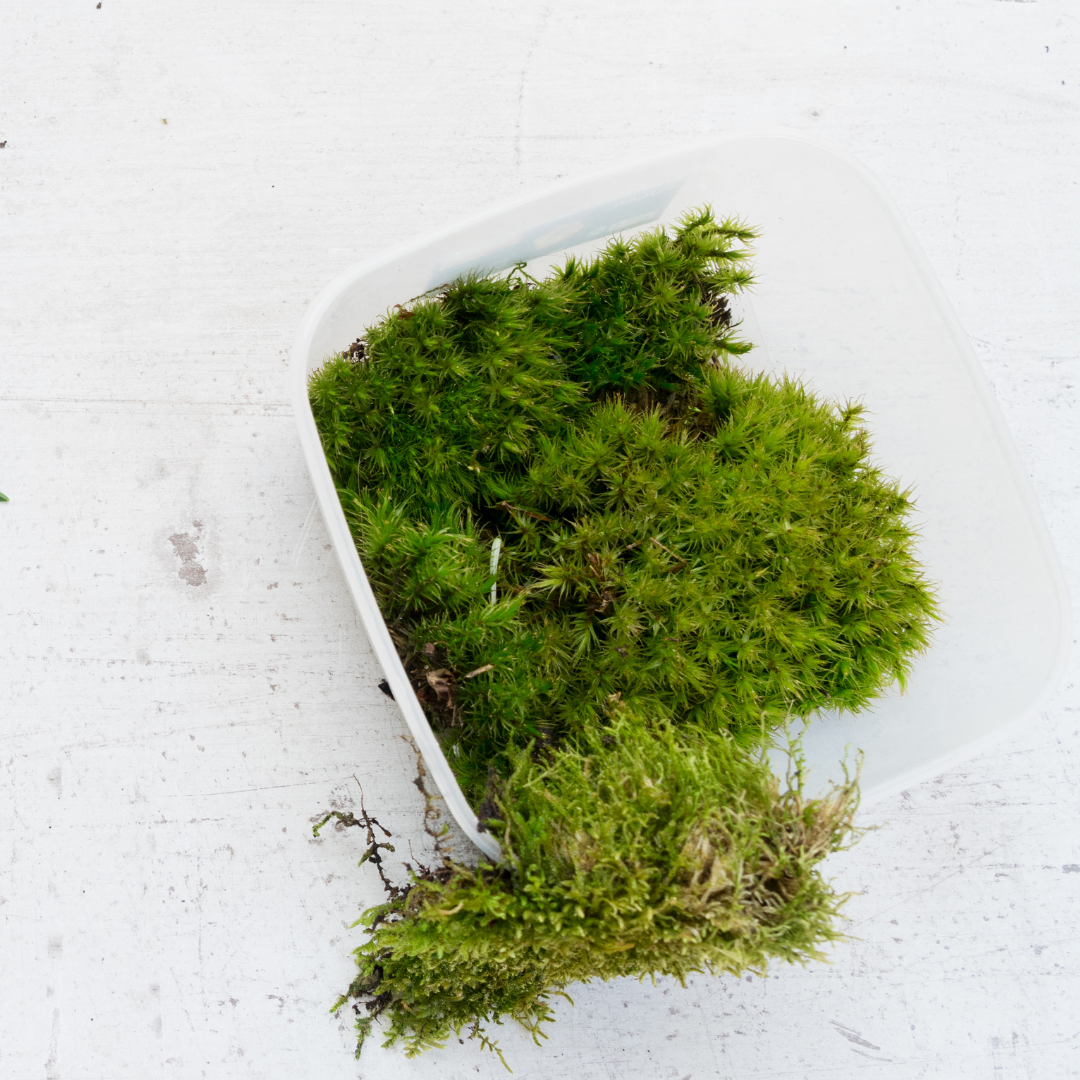
I'm the tree, so I like a carpet at my feet. Cushion moss and carpet moss make me look like an ancient tree on a mossy hillside. Fittonia adds colour without competing for height, and Pilea glauca fills the gaps with tiny silvery leaves. Just avoid anything that grows tall and fast, I like to stay the star of the show.

A DIY kit with a Ficus bonsai, Fittonia, moss, soil layers and a glass jar, so you can build my little gallery yourself.
Any advice for your future plant parents?
Treat me like a calm, wise roommate: don't overfeed me, don't overwater me, and give me a bright spot with a little breathing room. I'll reward you with years of sculptural beauty and peaceful vibes.
💡 Ficus Ginseng says: "In a closed terrarium, I'm more than a plant, I'm a living sculpture in my own glass gallery."
Ready to bring Ficus Ginseng home?
You can buy a young Ficus Ginseng on its own, build one into a jar with a DIY bonsai terrarium kit, or choose a ready-made bonsai terrarium delivered across the UK.

DIY kits and ready-made terrariums built around a Ficus Ginseng bonsai, in several jar sizes.
Frequently Asked Questions - Ficus Ginseng
Is Ficus Ginseng easy to care for?
Yes, it's one of the most forgiving bonsai-style plants. It copes with average indoor humidity, tolerates the odd missed watering thanks to its thick roots, and grows well in bright, indirect light. The two things it dislikes are waterlogged soil and sudden changes of position.
How often should I water a Ficus Ginseng?
In a pot, water when the top few centimetres of soil feel dry, often about once a week in summer and less in winter. Empty any water left in the saucer. In a closed terrarium, it needs much less: a small splash every few weeks, when the soil looks pale or there's no condensation on the glass for several days.
Why is my Ficus Ginseng dropping leaves?
Leaf drop is usually a reaction to change: a new position, a cold draught, a nearby radiator or a big swing in watering. Keep it in one bright spot away from heat sources and draughts, water consistently, and it normally grows new leaves within a few weeks.
Can Ficus Ginseng live in a closed terrarium?
Yes. A young Ficus Ginseng is well suited to a closed terrarium, where the humidity stays steady and watering is rarely needed. Choose a jar tall enough for its canopy, keep it out of direct sun and trim long shoots so the leaves don't press against the glass.
Is Ficus Ginseng toxic to cats and dogs?
Ficus plants are not considered pet-safe. The milky sap can irritate skin and may upset the stomach of cats and dogs if chewed, so keep it out of reach of pets and wash your hands after pruning.
Does Ficus Ginseng need pruning?
A light trim now and then keeps it compact. Snip new shoots back to one or two leaves once they grow long, especially in a terrarium where space is limited. Remove any fallen leaves from the jar to keep it clean and mould-free.




Leave a comment