

Low-care plants for a closed terrarium
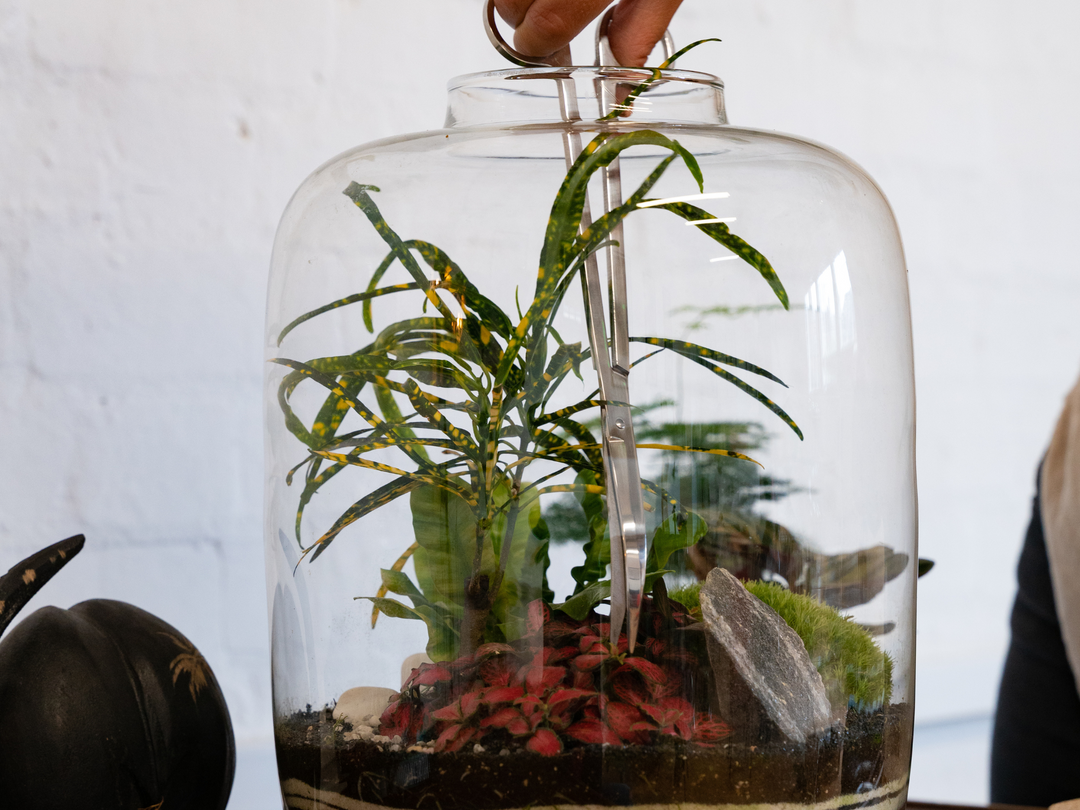
The best plants for a closed terrarium are small, humidity-loving plants that enjoy indirect light and steady moisture. Good low-care choices include Fittonia, Ferns, Ivy, Begonia Rex Red Kiss, Parlour Palm, Cryptanthus and moss because they suit the warm, humid environment inside a sealed glass container.
Because a closed terrarium holds onto moisture, it is brilliant for many tropical plants, but not so great for anything that prefers dry soil, strong sun or lots of airflow.
So, if you are choosing plants for your first closed terrarium, the golden rule is simple: pick plants that like humidity, stay fairly small and do not grow too quickly. Here are 7 beginner-friendly options that work well in a closed glass garden.

What makes a good closed terrarium plant?
A good closed terrarium plant should be small, slow-growing and happy in humid conditions. Because the container is sealed or mostly sealed, moisture hangs around for much longer than it would in a normal plant pot.
The easiest closed terrarium plants usually have these things in common:
- They like medium to bright indirect light.
- They enjoy humidity.
- They do not need dry soil between waterings.
- They stay compact or can be trimmed easily.
- They are not too fussy if the environment is stable.
Try to choose plants with similar care needs. Mixing a moisture-loving fern with a dry-loving succulent, for example, usually ends badly for one of them. The fern wants humidity. The succulent wants airflow and drier soil. One jar, two very different moods.
Best plants for a closed terrarium
1. Fittonia, also known as nerve plant
Fittonia is a favourite for closed terrariums because it stays compact, enjoys steady moisture and brings instant colour into the glass. Its colourful veined leaves also help a terrarium look full and detailed without needing lots of different plants.
Fittonia likes bright, indirect light and evenly moist soil. In a closed terrarium, it usually settles well once the moisture level is balanced. If it starts to get leggy, you can gently trim it back to keep it bushy.
Best for: colour, pattern and beginner-friendly planting.
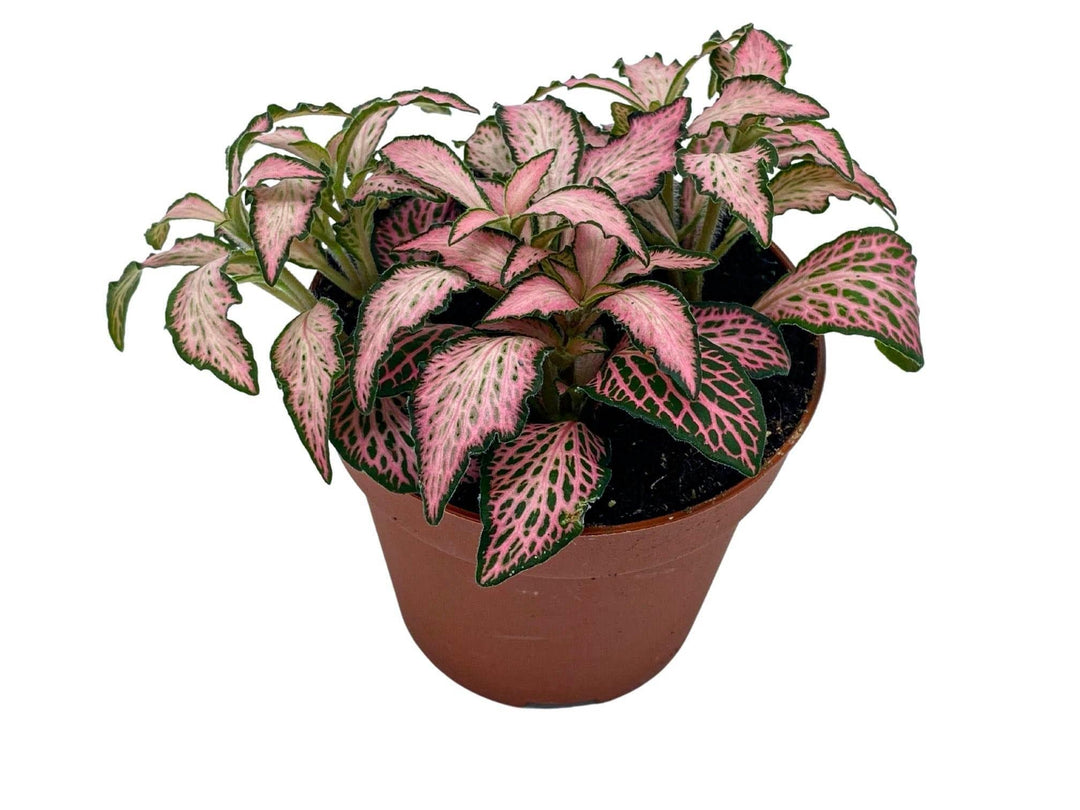
Choose from colourful Fittonia varieties for your closed terrarium.
Pink Fittonia | Mosaic Skeleton | Red Fittonia | White Fittonia
2. Ferns
Small ferns are a classic closed terrarium choice. They enjoy the damp, woodland-style environment and add soft, feathery texture between bolder leaves.
Look for compact fern varieties rather than anything that wants to become huge. Ferns usually prefer indirect light and consistent moisture, so they are happiest away from strong direct sun. If the leaves start browning, the terrarium may be too dry, too hot or getting too much light.
Best for: a lush, green, woodland look.

A compact fern for adding soft, leafy texture to closed terrariums.

3. Ivy
Ivy can work well in a closed terrarium, especially if you want a trailing or climbing effect. It gives the terrarium a slightly wild, overgrown look without needing much extra decoration.
The main thing with ivy is trimming. It can grow faster than some other terrarium plants, so it may need the occasional haircut to stop it taking over the jar. Keep it in indirect light and remove any leaves that press too tightly against wet glass.
Best for: trailing growth and a natural, overgrown look.
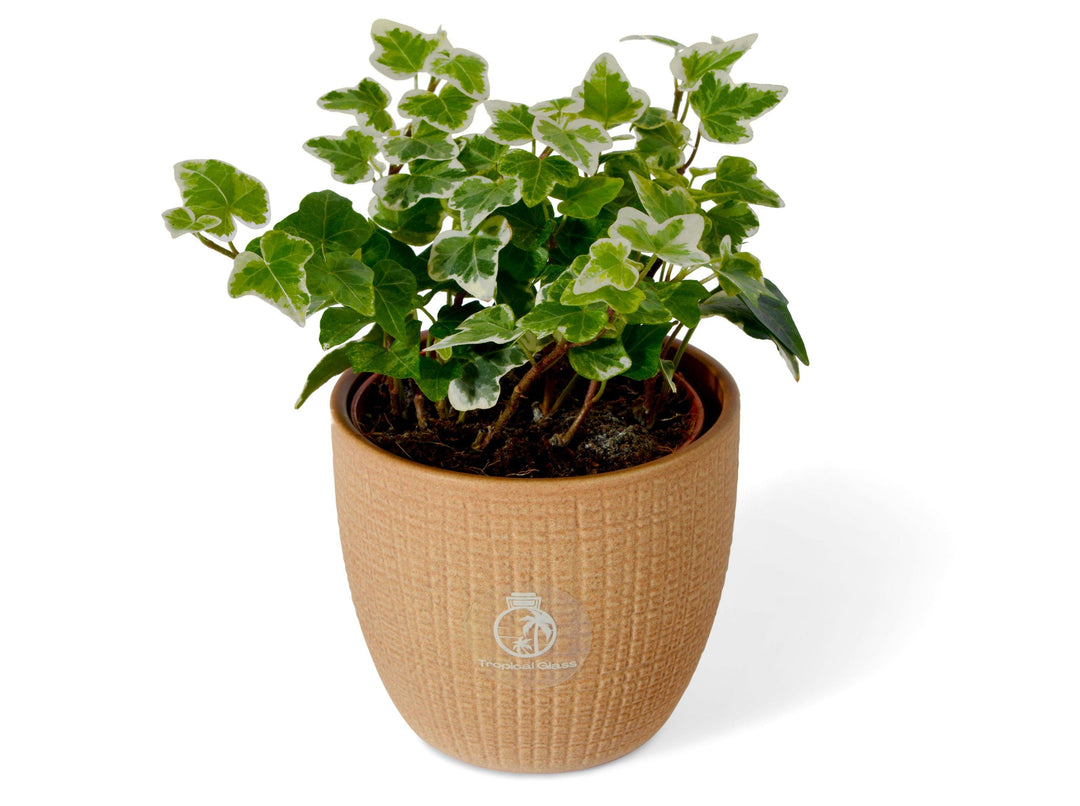
A trailing plant for a natural, overgrown terrarium look.
4. Begonia Rex Red Kiss
Begonia Rex Red Kiss is a strong choice if you want a closed terrarium plant with dramatic colour. Its patterned leaves bring a rich red tone into the jar, which sits nicely against green moss, ferns and lighter Fittonia leaves.
Begonia Rex likes humidity and bright, indirect light, but it does not want to sit in soggy soil. Use it in a terrarium with a good drainage layer, avoid overwatering and open the lid occasionally if the glass is constantly wet. It works best in medium to larger terrariums where the leaves have space to breathe.
Best for: bold colour, leaf pattern and a more decorative terrarium look.

A bold little plant with rich red leaves for a more colourful terrarium.
5. Parlour palm
Parlour palm is a good option for larger closed terrariums because it grows slowly and handles indirect light well. Its upright shape adds height without making the planting feel too heavy.
This is not the best plant for a tiny jar, but in a roomier terrarium it can look elegant and calm. Make sure there is enough space around the leaves so they are not constantly pressed against the glass.
Best for: larger jars and a soft, leafy structure.
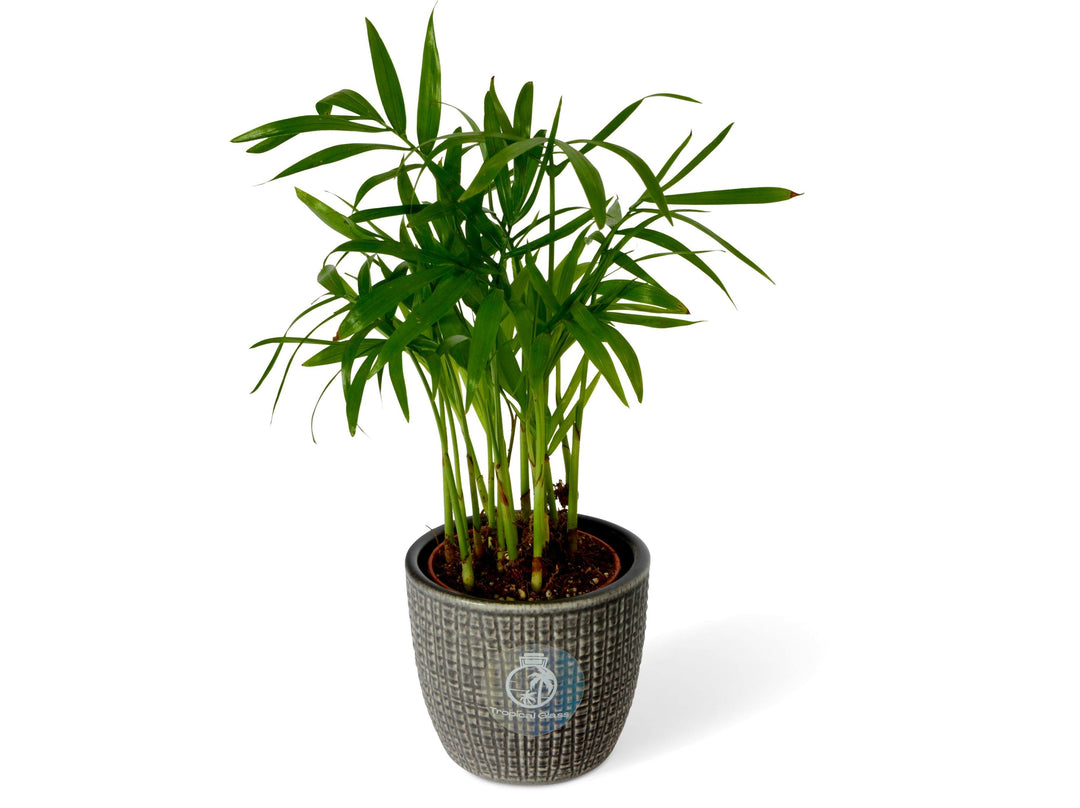
A slow-growing leafy plant for adding height to roomier terrariums.
6. Cryptanthus, also known as Earth Star
Cryptanthus is a striking plant with a rosette shape and colourful leaves. It is often called Earth Star, which makes sense once you see it from above. It adds contrast against soft green moss and finer foliage without taking up too much height.
It likes humidity, but it also appreciates good airflow when possible, so it is best used in a terrarium that is opened occasionally for maintenance. Place it somewhere with bright, indirect light to help keep its colour strong.
Best for: colour contrast and a bold centrepiece.
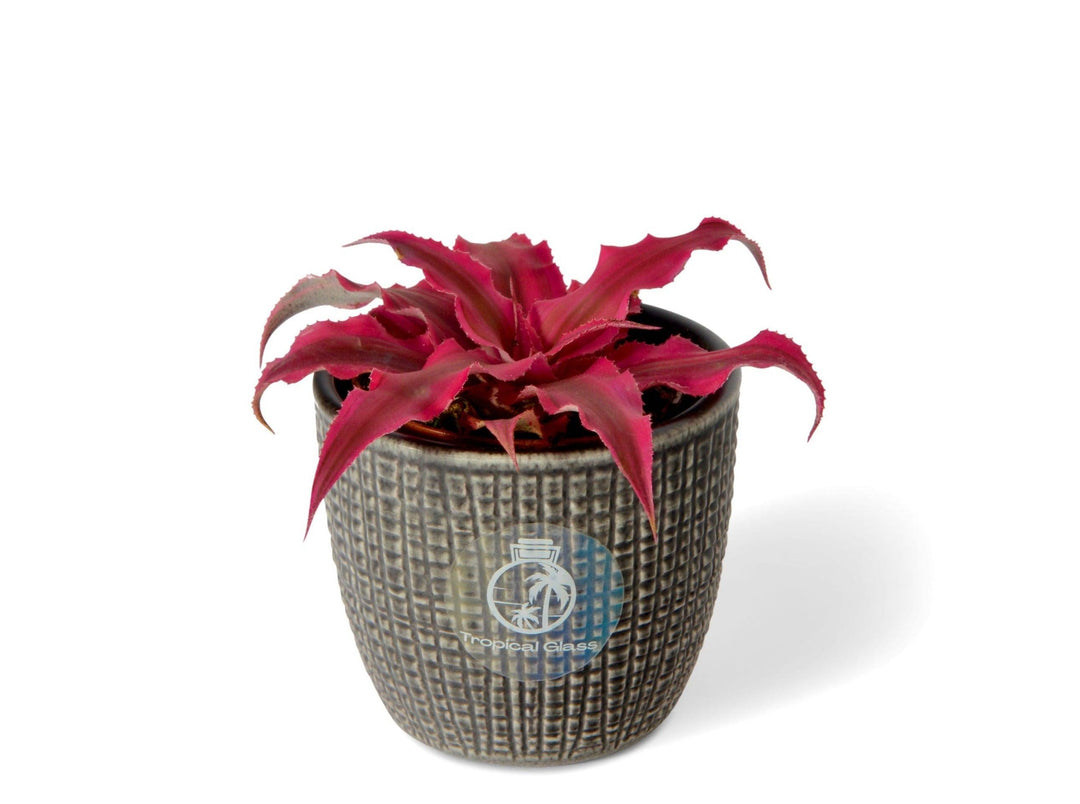
A compact Earth Star plant for colour contrast and structure.
7. Moss
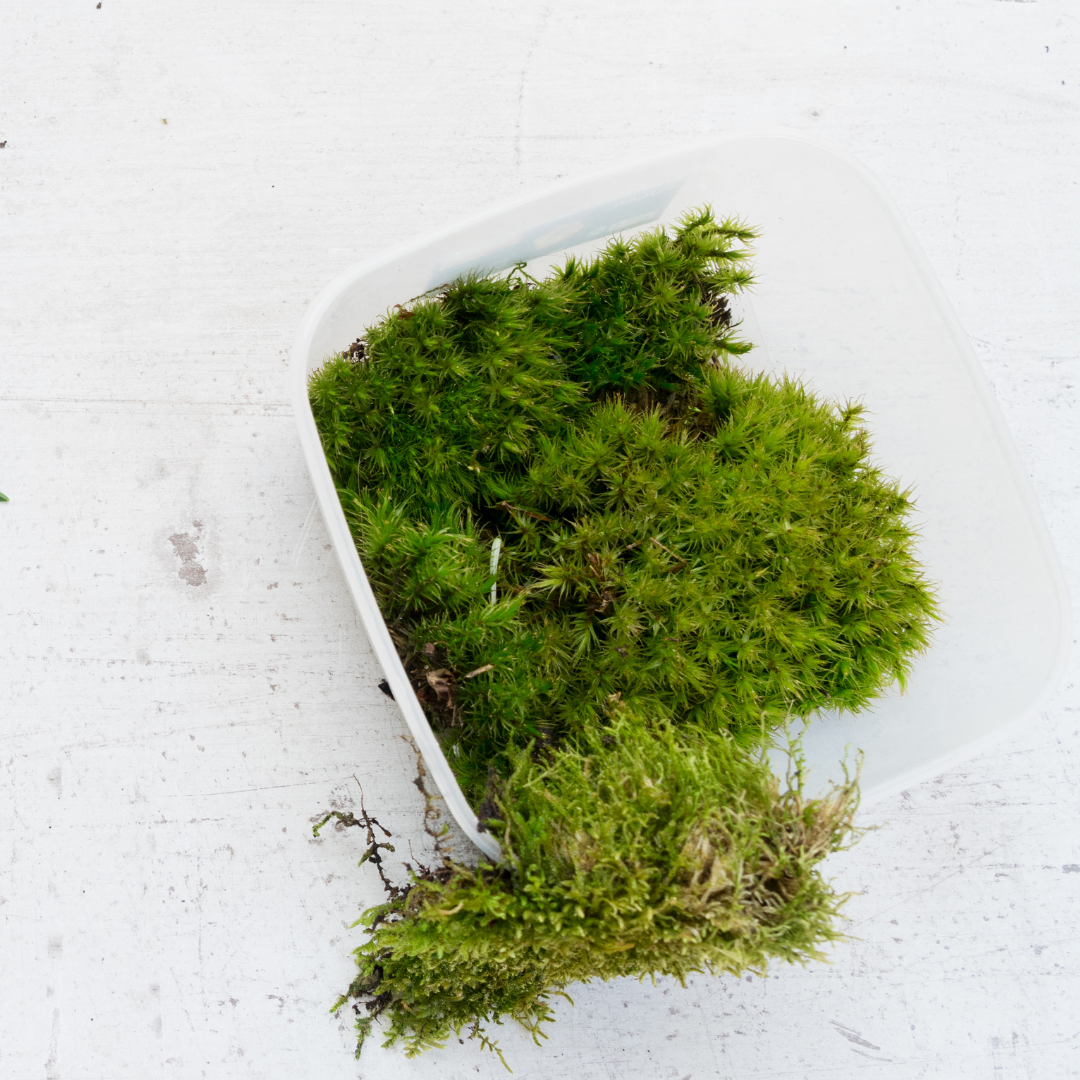
Moss is one of the easiest and most useful additions to a closed terrarium. It helps create that soft forest-floor look, covers bare soil and makes the whole design feel more finished.
Moss likes moisture and indirect light, so it is very comfortable in a closed terrarium. It should look fresh and green, not soggy. If it starts turning brown, the terrarium may be too dry, too bright or too warm.
Best for: ground cover, texture and a natural finish.

Choose moss for soft ground cover, natural texture and that mini forest-floor look.

Closed terrarium plant comparison table
| Plant | Best for |
|---|---|
| Fittonia | Colour and pattern |
| Ferns | Soft woodland texture |
| Ivy | Trailing growth |
| Begonia Rex Red Kiss | Bold colour and leaf pattern |
| Parlour palm | Larger jars |
| Cryptanthus | Colour contrast |
| Moss | Ground cover |
What plants should you avoid in a closed terrarium?
Avoid cacti, most succulents, lavender, rosemary and other plants that prefer dry soil, strong sun or lots of airflow. These plants are much better suited to open terrariums, pots or dry displays.
Closed terrariums hold moisture, which means dry-loving plants can quickly become unhappy. Their roots may sit in damp soil for too long, and the leaves can suffer in the humid air. It is not that succulents are difficult plants. They are just not built for a sealed tropical environment.
You should also avoid plants that grow too large too quickly. A tiny plant might look cute on day one, but if it wants to become a full-size houseplant, it may outgrow the container faster than expected.
How many plants should you put in a closed terrarium?
For a small closed terrarium, 2 to 4 small plants is usually enough. For a medium terrarium, 4 to 6 small plants can work well, especially if you mix leaf shapes and heights. The goal is to make the terrarium look full without overcrowding it.
Leave space between plants so air can move a little and the leaves have room to grow. Overcrowding can lead to trapped moisture, mould and leaves pressing against the glass. It also makes trimming and cleaning much harder later.
A simple beginner formula is:
- 1 taller plant for structure
- 1 to 3 smaller leafy plants for fullness
- Moss for ground cover
- Optional stones, bark or figurines for decoration
How do you keep closed terrarium plants healthy?
Closed terrariums are low-care, but they are not no-care. Once planted, the main job is to keep the balance right.
- Use indirect light: place your terrarium somewhere bright, but out of direct sun. Direct sun can overheat the glass and scorch the plants.
- Do not overwater: a closed terrarium needs much less water than a normal houseplant pot. If the soil is wet and the glass is constantly dripping, open the lid for a while.
- Watch the condensation: a light misting on the glass is normal. Heavy, constant condensation can mean there is too much moisture.
- Trim when needed: remove overgrown stems and any leaves that are touching the glass too much.
- Remove dead leaves: this helps prevent mould and keeps the terrarium looking fresh.
Frequently asked questions
What is the easiest plant for a closed terrarium?
Fittonia and moss are two of the easiest choices for a closed terrarium. They both enjoy humidity, stay fairly compact and look good in small glass containers.
Can succulents live in a closed terrarium?
Succulents are not usually a good choice for a closed terrarium. They prefer drier soil, more airflow and brighter conditions than most sealed terrariums provide. If you love succulents, use an open terrarium instead.
Do closed terrarium plants need watering?
Yes, but not very often. A closed terrarium recycles moisture, so it needs far less watering than a normal plant pot. Water only when the soil looks dry and there is very little condensation.
Why are my closed terrarium plants dying?
The most common reasons are too much water, too much direct sun, poor plant choice or overcrowding. Remove any dead leaves, open the lid if it is too wet and check that the plants you chose actually enjoy humidity.
Can I mix different plants in one closed terrarium?
Yes, as long as they like similar conditions. Choose plants that enjoy humidity, indirect light and lightly moist soil. Avoid mixing tropical plants with cacti or succulents.
Ready to choose plants for your closed terrarium?
The best closed terrarium plants are the ones that make life easy: small, humidity-loving, slow-growing and happy in indirect light. Fittonia, ferns, moss, Begonia Rex Red Kiss, parlour palm and other compact tropical plants are all sensible places to start.
If you already have a jar and want to build or refresh your own little glass garden, start with terrarium-friendly plants and moss. Choosing the right plants from the beginning makes the whole terrarium easier to care for.
Pick the right plants for your closed terrarium
Browse small plants, moss and terrarium-friendly greenery for your next glass garden.
Shop terrarium plants & moss →Carefully packed, beginner-friendly and ready for your next terrarium project.
If you would rather have the jar, layers, plants and instructions chosen for you, you can also browse our DIY closed terrarium kits.




Leave a comment